Audioscenic at CES 2026: Shaping the Future of Spatial Audio

Earlier this year, Audioscenic returned to the Consumer Electronics Show 2026 in Las Vegas. A defining moment in the global technology calendar and a key opportunity to explore the rapid evolution of spatial audio technology.
As immersive audio continues to gain momentum across industries, CES 2026 provided valuable insight into how spatial audio, beamforming and adaptive sound technologies are moving from innovation to real world implementation.
The Evolution of Spatial Audio at CES
One of the most significant takeaways from the show was the shift in how spatial audio is positioned across the industry.
No longer considered experimental, spatial audio is now being integrated across: consumer electronics, computing and displays, and automotive audio systems. This reflects a broader transition from emerging technology to expected feature.
However, as adoption increases, so does complexity. Delivering consistent spatial audio playback across different environments, devices and listener positions remains a key challenge.
CES reinforced Audioscenic’s ethos: the future of spatial audio will depend on intelligent, adaptive playback technologies, not just content creation.
Demonstrating Beamforming and Adaptive Audio Technology
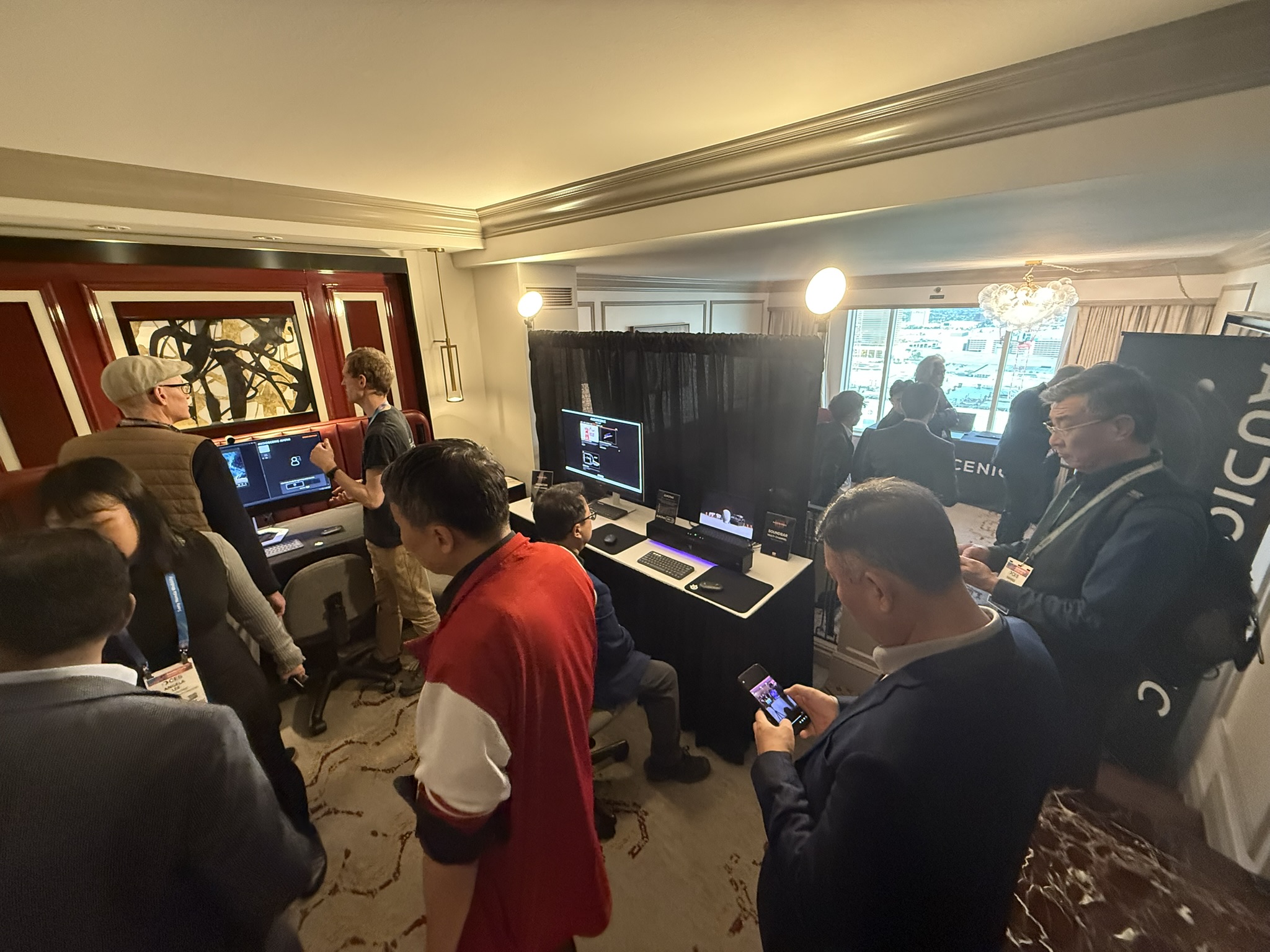
During CES 2026, Audioscenic hosted a series of private demonstrations and press previews, offering select media and partners an early look at the next phase of our technology development and roadmap.
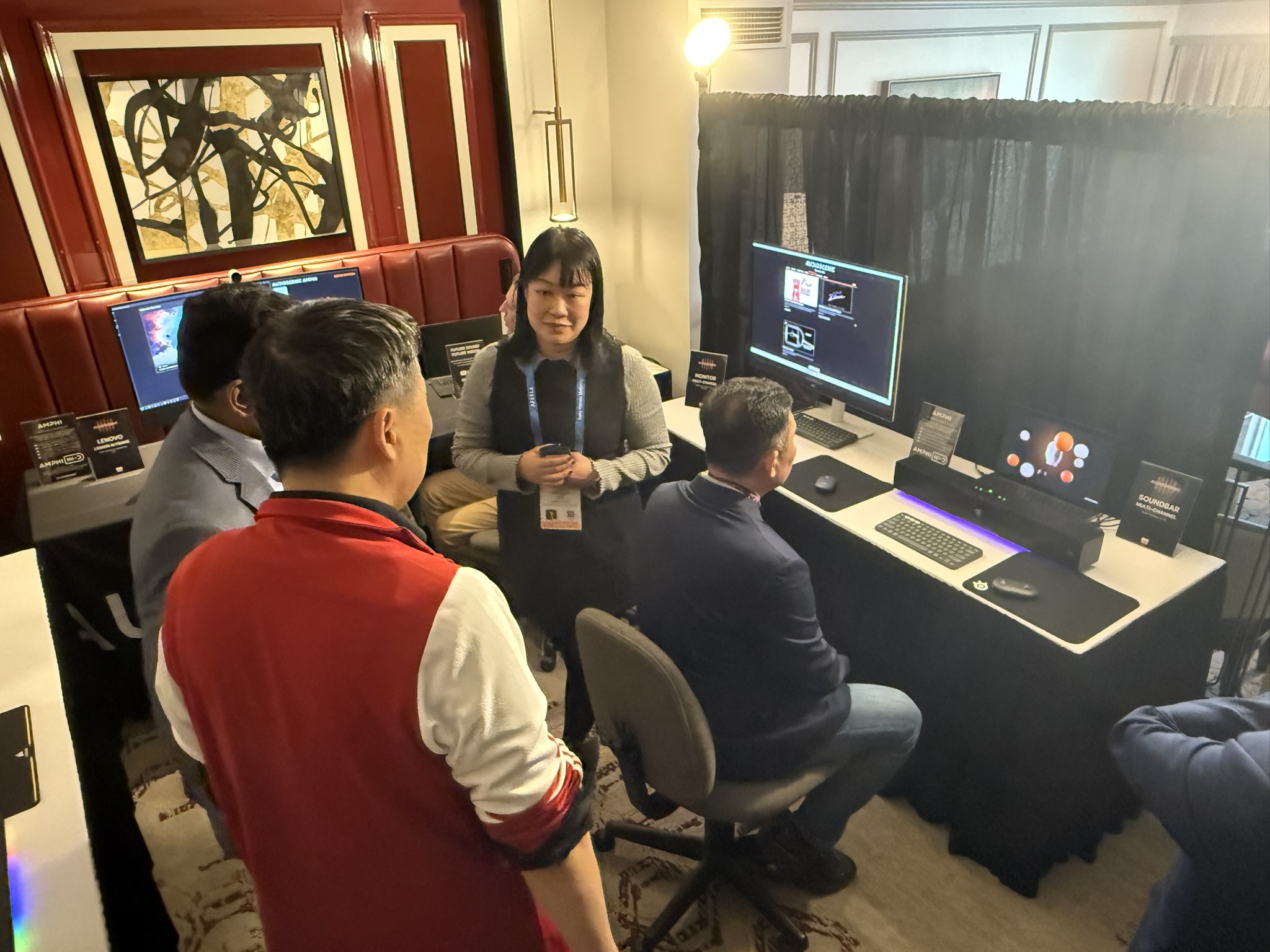
At the centre of these demonstrations was our proprietary AI-driven adaptive Beamcasting™ technology, built on advanced beamforming audio principles.
These demonstrations included proof of concept devices, alongside a growing ecosystem of “powered by AUDIOSCENIC” products, including collaborations with Dell and Razer.
Together these examples highlight how beamforming technology is enabling scalable spatial audio experiences across multiple product categories.
Future Sound | Future Vision: The Next Generation of Immersive Audio
CES also provided a platform to introduce Future Sound | Future Vision - a forward looking showcase exploring the relationship between spatial audio content and playback technology.
Audioscenic demonstrations showcased how Audioscenic technology will unlock a true spatial audio experience for the next generation of content, through Eclipsa x YouTube. Highlighting the growing availability of immersive content across platforms and the demand for accurate playback.
As spatial formats expand across music, film and interactive media, the ability to deliver those experiences accurately through speaker based spatial audio systems becomes increasingly important.
Why Spatial Audio Playback Matters
A consistent theme throughout the show was the growing gap between spatial audio creation and playback.
While creators now have access to advanced tools for producing immersive content, real-world listening environments introduce challenges such as, listener movement, speaker placement to room acoustics. These variables can significantly impact how spatial audio is perceived.
This is where technologies such as beamforming and crosstalk cancellation play a critical role, enabling systems to adapt dynamically and deliver sound as intended.
At Audioscenic, our focus remains on solving this challenge by developing adaptive audio technologies that respond to the listener in real time.
Looking Ahead
CES 2026 was not just an opportunity to showcase innovation, but to reflect on how the industry is evolving.
We would like to thank everyone who took the time to meet with the Audioscenic team, exchange ideas and explore the future of immersive audio technology.
The conversation around spatial audio is continuing to mature and as it does, Audioscenic remains focused on enabling a more natural, more intelligent and most importantly, more widely accessible listening experience.


